Get Started with Crochet
Crocheting is a fulfilling and creative hobby that anyone can enjoy. To begin, you'll need a few essential tools: crochet hooks, yarn, and scissors. Start with a medium-weight yarn and a corresponding hook size for easier handling.
Familiarize yourself with basic stitches such as chain, single crochet, and double crochet. Online tutorials and beginner patterns offer great guidance. Most importantly, be patient and enjoy the process of crafting beautiful items with your own two hands!




Yarn
Yarn is the primary material used in crocheting, and it comes in a variety of fibers, weights, textures, and colors.
Here's a closer look at some of the key aspects of yarn:


Yarn Weight
Yarn weight refers to the thickness of the yarn strand, which affects the texture and drape of the finished project. Common yarn weights include :
Lace: Very fine, used for delicate items like shawls.
Fingering: Slightly thicker than lace, ideal for lightweight garments.
DK (Double Knitting): Medium thickness suitable for a wide range of projects.
Worsted: A popular weight for beginners, great for blankets and sweaters.
Bulky: Thick yarn for cozy, warm items like scarves and hats.
Super Bulky: Very thick, used for quick projects like chunky blankets.
Types of Yarn Fibers
Natural Fibers: These include cotton, wool, silk, and bamboo. Natural fibers are breathable and comfortable, making them ideal for garments and accessories.
Synthetic Fibers: Acrylic and nylon are common synthetic fibers. They are often more affordable, durable, and easy to care for, making them suitable for blankets and other household items.
Blended Fibers: Many yarns are a blend of natural and synthetic fibers, aiming to combine the best qualities of both.

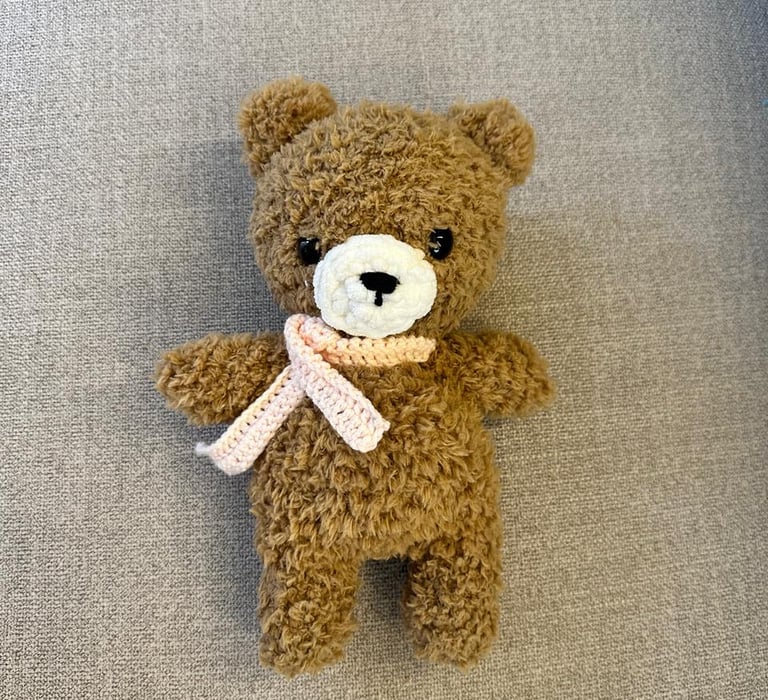
Yarn can also come in a variety of textures, such as smooth, fluffy, or fuzzy, which can add an interesting dimension to your crocheted items.
Yarn Texture
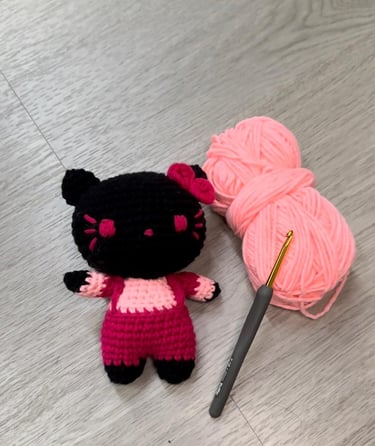
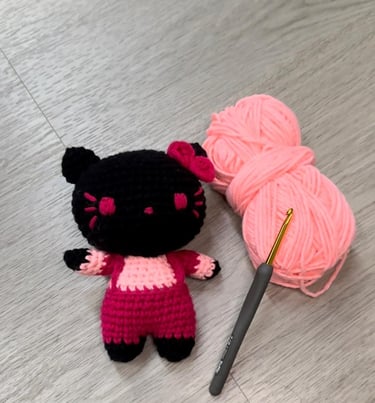
Crochet Hooks
The crochet hook is the tool used to manipulate yarn and create stitches. The size and material of the hook can significantly impact your crocheting experience and the final appearance of your project.
Hook Sizes
Hooks come in different sizes, which are measured in millimeters. The hook size you choose should correspond to the yarn weight you are using.
Small Hooks (2mm - 3.5mm): Ideal for light and delicate yarns, suitable for detailed patterns like lace or amigurumi.
Medium Hooks (4mm - 5.5mm): Perfect for most standard projects and yarns, such as blankets and garments.
Large Hooks (6mm and above): Best for chunky yarns and projects that require a looser stitch, such as scarves or cozy throws.
.
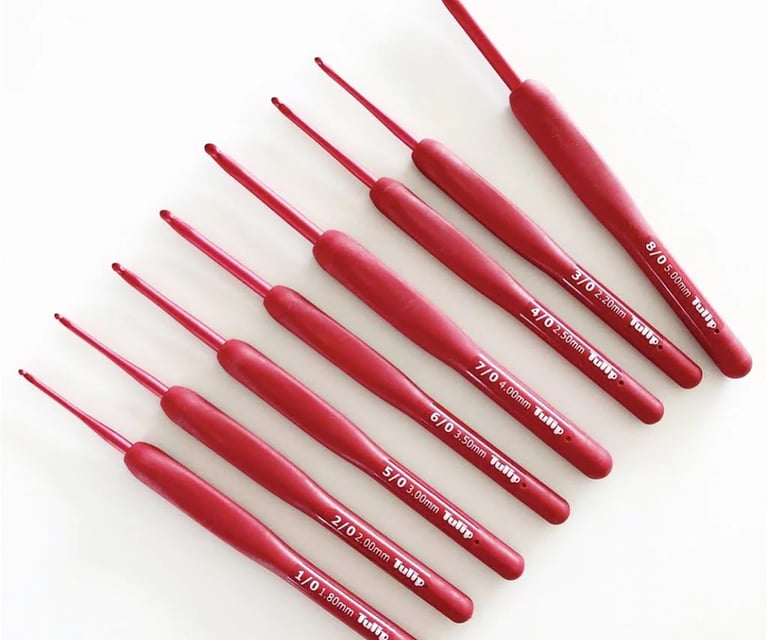
Aluminum: Lightweight and durable, aluminum hooks are a popular choice among crocheters.
Plastic: These hooks are affordable and available in a range of sizes and colors.
Wood/Bamboo: Known for their warmth and comfort, wooden hooks are especially favored for their natural feel and grip.
Steel Hooks : Steel hooks are commonly used for delicate projects that require thin yarn, such as lacework or doilies. They are extremely slender and durable, allowing for precision in intricate patterns.
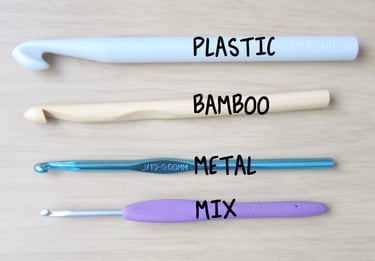
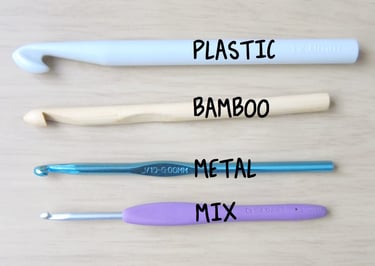


Hook Materials
Other Tools
There are several other essential tools needed to ensure a smooth and enjoyable crocheting experience.. Here is a list of indispensable tools every crocheter should have in their toolkit :
A good pair of sharp scissors is crucial for cutting yarn cleanly. Small, portable scissors are ideal for keeping in your crochet bag, ensuring you always have them on hand when needed.

Scissors
Blocking tools, such as blocking mats and pins, are used to shape and set finished crochet pieces. Blocking helps even out stitches and gives your work a polished, professional look.
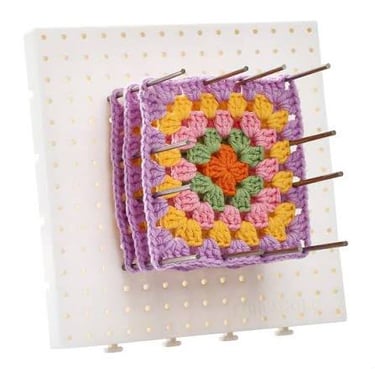
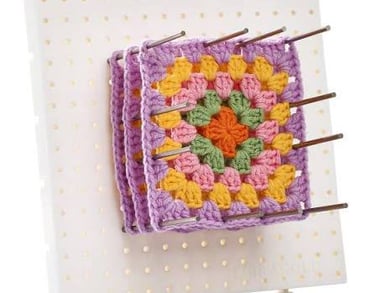

Blocking Tools
Stitch Counter
A stitch counter helps keep track of the number of stitches and rows, which is especially useful for complex patterns. Electronic and manual counters are available, allowing you to choose the one that best suits your needs.

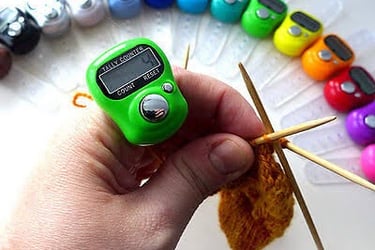
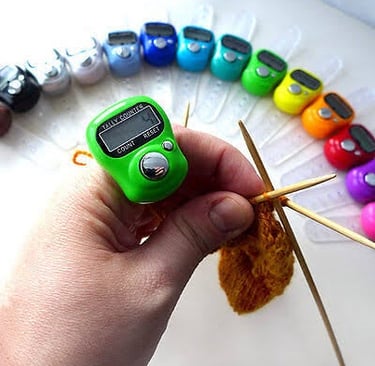
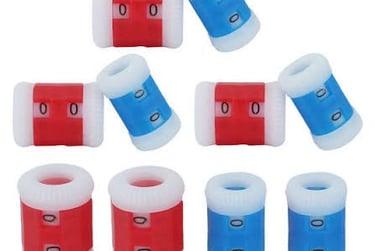
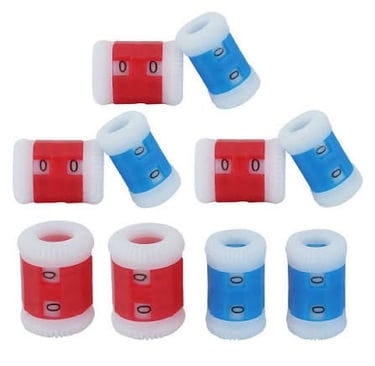
Yarn Winder and Swift
These tools are particularly useful if you buy yarn in hanks. A yarn winder and swift make it easy to transform hanks into easy-to-use balls, helping prevent tangling and ensuring a smooth crochet experience.
Slip Stitch (sl st)
Chain Stitch (ch)
Single Crochet Stitch (sc)
Half Double Crochet (hcd)
Double Crochet (dc)
Treble Crochet (tr)
Basic Crochet Symbols (U.S.Terms)
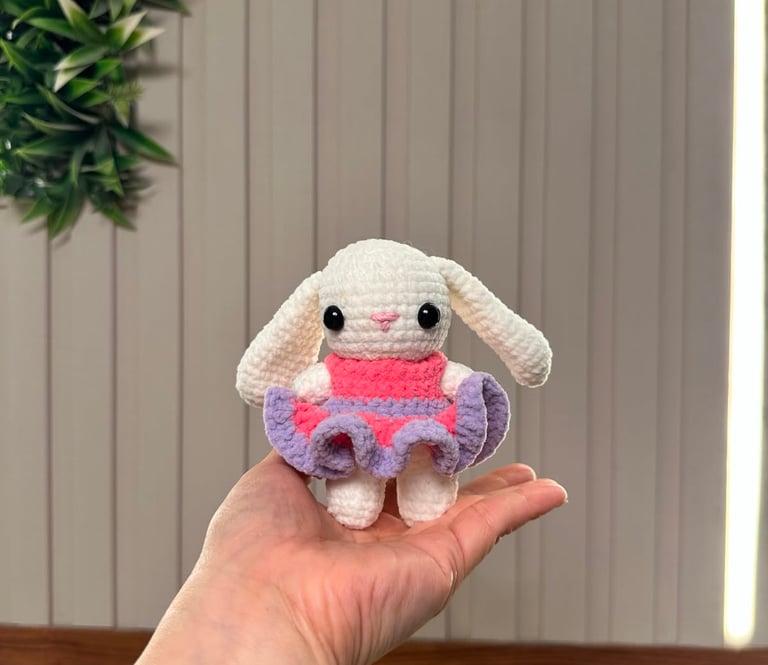
How to Upsize Your Amigurumi
Use Thicker Yarn
Switch to bulkier yarn lines (e.g. velvet or chenille) using the original pattern.
Strand Double/ Triple
Hold 2 or 3 yarn strands together while crocheting to multiply the thickness instantly.
Increase Hook Size
Use a slightly larger crochet hook than recommended in the pattern to create looser and bigger stitches.
Modify the Pattern
Rewrite the pattern by scaling up the number of stitches and rows (e.g. multiplying by 2 or 3).